

Introduction: A Fear Every Crypto Investor Has
If you invest in cryptocurrency, one question can instantly create panic: what happens if a crypto exchange shuts down?
This fear is real—and justified. Over the years, several well-known crypto exchanges have collapsed, frozen withdrawals, or disappeared overnight, leaving users confused and helpless.
Understanding what happens if a crypto exchange shuts down is not just for advanced traders. It is essential knowledge for every crypto holder—especially beginners who keep their coins on exchanges without realizing the risks.
This guide explains what happens if a crypto exchange shuts down, what you can realistically expect, and—most importantly—step-by-step actions to protect your coins before it’s too late.
1. Why Crypto Exchanges Shut Down in the First Place
To understand what happens if a crypto exchange shuts down, you must first know why exchanges fail.
Common reasons include:
- Financial mismanagement
- Hacking and security breaches
- Regulatory action or government bans
- Liquidity crises
- Fraud or internal corruption
- Poor risk management during market crashes
Unlike banks, crypto exchanges are not always regulated or insured. That’s a key reason what happens if a crypto exchange shuts-down can be far more serious than a bank failure.
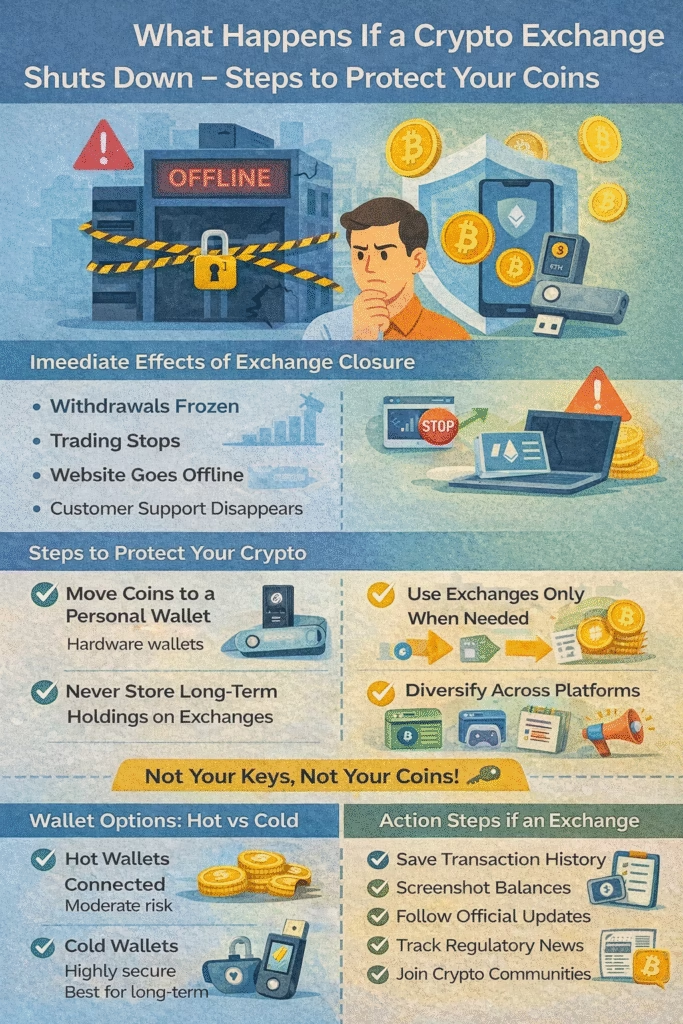
2. What Happens Immediately When a Crypto Exchange Shuts Down
The first few hours or days after shutdown are critical.
When people ask what happens if a crypto exchange shuts down, here’s what usually happens first:
✔ Withdrawals Are Frozen
Users suddenly cannot withdraw crypto or funds.
✔ Trading Stops
All buying and selling is paused.
✔ Website or App Goes Offline
Sometimes the exchange vanishes without warning.
✔ Customer Support Disappears
Emails and tickets often go unanswered.
This early stage is when panic spreads—and when users realize what happens if a crypto exchange shuts down is not just theory.
3. Are Your Coins Really “Yours” on an Exchange?
One of the biggest misconceptions in crypto explains what happens if a crypto exchange disappear.
👉 Coins on an exchange are NOT fully under your control.
When you keep crypto on an exchange:
- You don’t control private keys
- You rely on the exchange’s solvency
- You trust their security systems
The crypto rule is simple:
“Not your keys, not your coins.”
This rule defines what happens if a crypto exchange shuts down—because users without private keys often lose access completely.
RELATED : 13 Red Flags That Help You Spot Fake Crypto Before You Lose Money
4. Best-Case Scenario: What You Might Get Back
Sometimes, when people ask what happens if a crypto exchange shuts down, the answer is not total loss.
Possible outcomes include:
- Partial withdrawal access after investigation
- Long legal recovery process
- Asset redistribution through bankruptcy court
- Refunds over months or years
However, full recovery is rare, and timelines are unpredictable. This uncertainty is why understanding what happens if a crypto exchange shuts down is so important.
5. Worst-Case Scenario: Total Loss of Funds
In the worst cases of what happens if a crypto exchange shuts down:
- User funds are gone
- Wallets were empty or misused
- No legal clarity
- Exchange founders disappear
- No compensation available
This has happened before—and can happen again.
6. How Regulations Affect What Happens Next
Regulations play a big role in what happens if a crypto exchange shuts down.
Regulated Exchanges:
- May be forced to cooperate with authorities
- May offer partial refunds
- Users may have legal recourse
Unregulated Exchanges:
- Often vanish
- No accountability
- High risk of total loss
This is why choosing compliant platforms reduces the damage if what happens if a crypto exchange shuts down becomes reality.
7. Step-by-Step: How to Protect Your Coins BEFORE an Exchange Shuts Down
This is the most important part of this article.
✅ Step 1: Move Coins to a Personal Wallet
Use:
- Hardware wallets
- Software wallets with private keys
This single step eliminates most risks of what happens if a crypto exchange shuts down.
✅ Step 2: Never Store Long-Term Holdings on Exchanges
Exchanges are for:
- Trading
- Short-term liquidity
Not for long-term storage.
✅ Step 3: Use Exchanges Only When Necessary
Deposit → Trade → Withdraw
Don’t leave funds idle.
✅ Step 4: Diversify Across Platforms
If you must use exchanges:
- Never keep all funds on one platform
This reduces exposure if what happens if a crypto exchange shuts down.
✅ Step 5: Watch Warning Signs Early
Red flags include:
- Withdrawal delays
- Poor customer support
- Sudden policy changes
- Aggressive promotions
These signals often appear before what happens if a crypto exchange shuts down.
8. Hot Wallet vs Cold Wallet: What Should You Use?
Understanding wallets helps protect against what happens if a crypto exchange shuts down.
Hot Wallets:
- Connected to internet
- Convenient
- Moderate risk
Cold Wallets:
- Offline
- Highly secure
- Best for long-term storage
For serious investors, cold wallets are the safest defense against what happens if a crypto exchange shuts down.
9. What To Do IF an Exchange Has Already Shut Down
If you’re already facing what happens if a crypto exchange shuts down, act fast.
Immediate steps:
- Save transaction history
- Take screenshots of balances
- Join official communication channels
- Follow regulatory announcements
- Consult legal or crypto communities
While recovery isn’t guaranteed, documentation improves your chances if what happens if a crypto exchange shuts down leads to legal proceedings.
10. Can Insurance Protect You? (Usually No)
Many users assume insurance exists—but in most cases of what happens if a crypto exchange shuts down, insurance does not cover user losses.
Some platforms claim partial coverage for hacks, but:
- Terms are limited
- Payouts are uncertain
Never rely on insurance alone when planning for what happens if a crypto exchange shuts down.
11. Why Beginners Are Most at Risk
Beginners are often hit hardest when what happens if a crypto exchange shuts down.
Reasons include:
- Lack of wallet knowledge
- Blind trust in platforms
- No backup strategy
- Holding entire savings on one exchange
Education is the best defense.
12. Psychological Impact: Panic Is the Biggest Enemy
When what happens if a crypto exchange shuts down, panic causes:
- Rash decisions
- Scams targeting victims
- Loss of recovery chances
Staying calm and informed matters as much as technical steps.
13. Centralized vs Decentralized Exchanges
Decentralized exchanges (DEXs):
- No custody of funds
- Users control keys
Centralized exchanges:
- Custodial
- Higher shutdown risk
Using DEXs reduces exposure to what happens if a crypto exchange shuts down, but requires technical knowledge.
14. Long-Term Strategy: How Smart Investors Avoid This Risk
Smart crypto investors:
- Self-custody assets
- Keep minimal exchange balances
- Use hardware wallets
- Monitor exchange health
- Follow regulations
They don’t wait to find out what happens if a crypto exchange shuts down—they prepare in advance.
15. Common Myths About Exchange Shutdowns
❌ “Big exchanges can’t fail”
❌ “My funds are safe because it’s popular”
❌ “I’ll withdraw if something happens”
Reality proves these myths wrong—and explains what happens if a crypto exchange shuts down again and again.
Conclusion: Control Is Your Best Protection
So, what happens if a crypto exchange shuts down?
- Withdrawals freeze
- Access may be lost
- Recovery is uncertain
- Legal processes are slow
- Stress is high
But the good news is simple:
👉 You can avoid most damage by taking control of your coins today.
Self-custody, awareness, and discipline are the strongest shields against what happens if a crypto exchange shuts down.
Don’t wait for a crisis to learn this lesson.
FOLLOW US ON SOCIAL MEDIA TIME OF HINDUSTAN